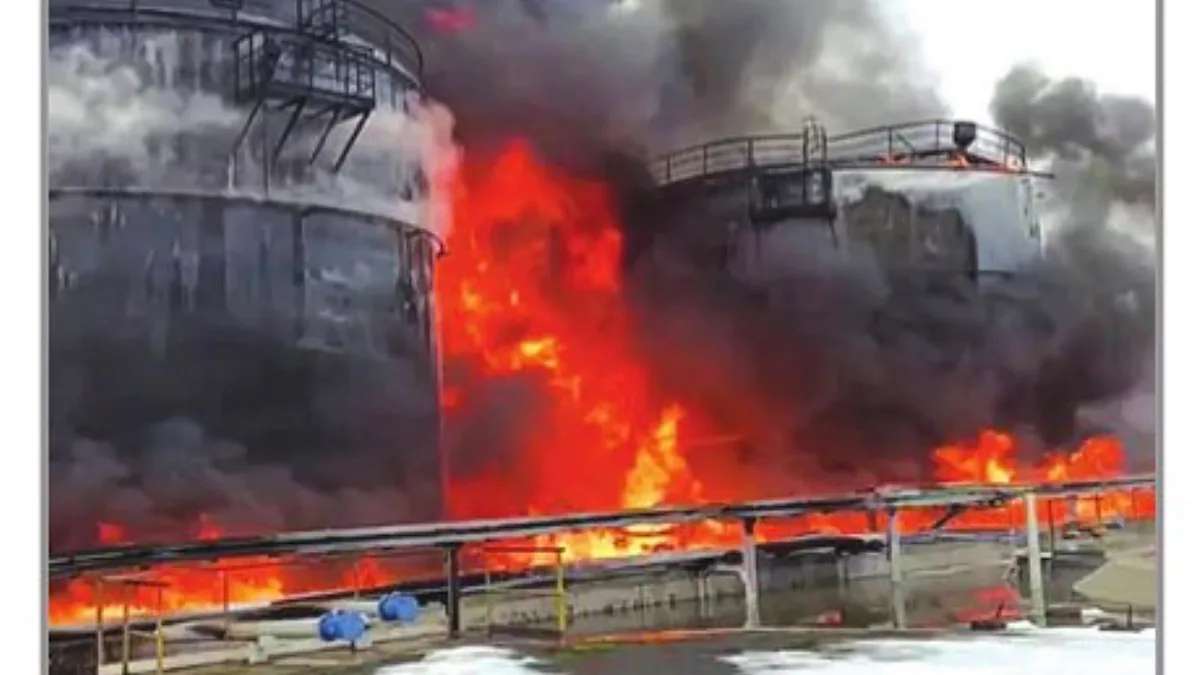
The Russo-Ukraine conflict has been ongoing for the past five years, currently dominated by Unmanned Aerial Systems (UAS). While Russia targets Ukrainian cities with missiles, glide bombs and drones, Ukraine responds with UAS at Russia’s main lifelines, its oil refineries and warehouses of top retailers, hurting common Russians. The battlefield has become akin to trench warfare of the first world war, with very little movement. Thousands are killed each month, including civilians.
There has been little attempt to end the conflict. Donald Trump, who had claimed that he would end the war in a period of days once he assumed his presidency, has now backed down. Russia controls about 20 per cent of Ukrainian territory. It refuses to negotiate directly with Kiev. Ukraine has been receiving funding from the US and Europe. It is currently Europe’s front-line state, keeping Russia at bay. As long as funds and weapons flow, Ukraine will continue the conflict.
Advertisement
Its UAS industry has adapted to shortages of manpower and is capable of targeting deep within Russia, a concern for Moscow. There are major differences between the two sides on what the end state should be, though these now appear to be narrowing down. Ukraine is possibly willing to give up its demand for joining NATO, based on guarantees on its security from the US and Europe. It is also willing to change its demand for return of all territory, including Crimea, from Russia, to freeze the conflict on current front lines. Russia on its part appears to have softened its stand on takeover of complete Kherson and Zaporizhzhia, accepting the area under their control.
However, it insists on Donbas being handed over, which Ukraine refuses to do. A major disagreement is Ukraine’s future neutrality and an armed force incapable of launching a major offensive against it. This would leave it vulnerable to future Russian invasions. Simultaneous is deployment of peacekeepers, which Europe believes should be led by the US, unacceptable to Trump. Russia would not permit them from NATO nations preferring neutral countries.
Both Ukraine and Russia are hoping the war ends before winter sets in. Both have suffered heavy losses in manpower and economy, alongside immense damage to infrastructure. Ukraine is running out of manpower to replace those on the frontlines and its casualties. While the conflict can be negotiated, there are other concerns of Russia, including Ukraine being a frontline state, which add to the complexity. Both Russia and Ukraine believe they hold the cards. Both are under the assumption that the other will bow first. Ukraine assumes that damages it causes to Russian oil and the economy will force it to bend, while Russia believes its strikes on Ukrainian infrastructure will have a similar effect.
The US imposing sanctions on procurement of Russian oil is illogical as prices continue to rise due to the Iran war. The US appeared to be negotiating but this is stalled, considering that it is embroiled in its own conflict in Iran, which shows that it is possibly not the right choice. Most European nations are backing Ukraine and this wo uld b e unacceptable to Russia. What is needed is a fresh look at negotiations, with a country acceptable to both. The first stage should be a ceasefire bringing peace to the populace on both sides. There are options however; both would need to agree on a common mediator.
The US-Iran war was presumed to conclude with the inking of the Islamabad MOU. This has not worked and the MOU has been sidelined. War is back. Iran faces the brunt of US military power; the rest of the region remains prepared for expansion of the conflict. The US’s policy of massive destruction has not been effective in Iran. Tehran has absorbed US strikes while retaliating at US bases and assets owned by its companies in the Middle East. Iran’s warning to regional nations of missile strikes in case they continue to permit use by US forces of their territory appears to have worked.
The US has moved most of its military assets to Jordan and Israel from Iran’s neighbourhood. Iran is hesitant to draw Israel into the conflict. Iran’s neighbours also do not desire to be involved in the war and have their oil infrastructure targeted. The induction of Houthis into the conflict has added a new dimension. Their blocking of Saudi oil from moving through the Bab el-Mandeb Strait and targeting of Saudi refineries is adding to US pressure. The war is now aimed at opening the Hormuz Strait and denying Iran nuclear weapons, which was already on the table in February before the US waded into the conflict.
Ending the conflict before there is large loss of lives is now essential. While negotiations appear to be ongoing, there are major stumbling blocks. Both nations have their red lines. The primary demand of the US is that movement through the Hormuz Strait be free and open, which Iran is unwilling to accept. Iran seeks release of its blocked funds prior to negotiations, which the US hesitates to do. Iran wants to link the resolution of this conflict to Lebanon, which Israel is unwilling to accept. This deadlock needs to be broken. The two sides cannot sit together unless their differences have been narrowed down. The current negotiators have proved to be just messengers conveying views of one to the other.
A new set of negotiators, acceptable to and powerful enough to influence both sides, need to emerge. Latest inputs indicate that China is working behind the scenes to end the conflict, though Pakistan remains the face. Whether it will be successful is to be seen. A common factor to both conflicts is high levels of distrust between warring sides. Both the Ukraine and Iran conflicts have adverse impacts on the globe. Apart from oil and gas prices, which have risen, Ukraine and Russia also supplied a third of the world’s wheat and barley and were the largest exporters of corn and sunflower oil.
Attacks on Black Sea ports have impacted supplies. The UNSC has proved to be ineffective, becoming nothing but a bystander. It has failed to pass a single worthwhile resolution on either conflict. This is setting a wrong precedent as the UN would lose relevance in future conflicts. It needs to be revamped if its effectiveness is to continue. Will permanent members take note or will the world continue to witness a toothless body at the helm of global affairs? The writer is a retired Major-General of the Indian Army.